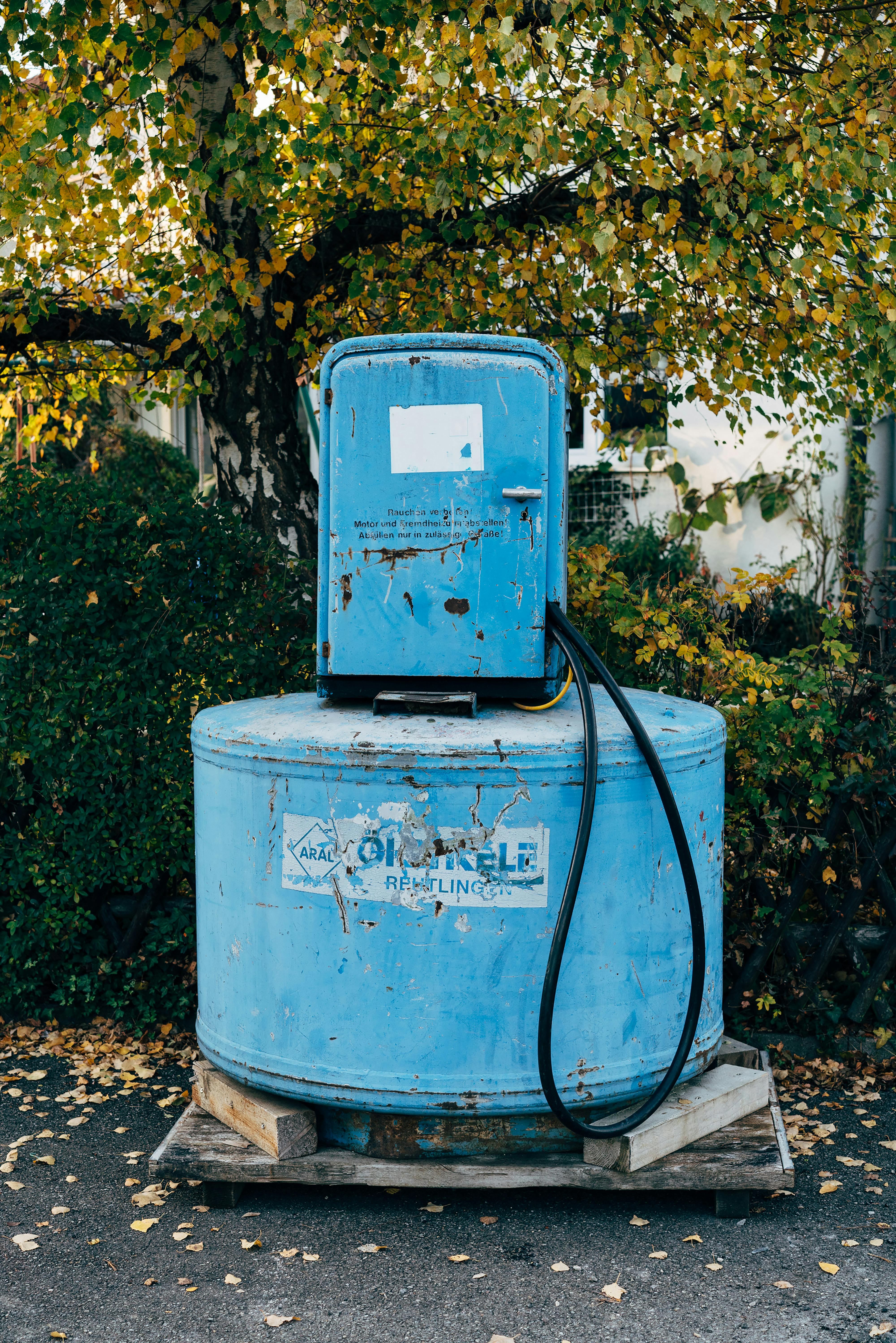
When you invest in a bunded fuel tank, you are making a decision that will impact your facility’s safety, compliance, and budget for the next 10 to 30 years.
Both plastic (polyethylene) and steel tanks feature the legally required “tank within a tank” design to prevent catastrophic environmental spills. Both will keep you compliant with strict EPA and OFTEC regulations. However, choosing the wrong material for your specific operational environment can lead to premature failure, vulnerability to fuel theft, or unnecessary upfront costs.
Here is the definitive breakdown of plastic versus steel bunded tanks to help you choose the right containment system for your business.
1. The Quick Comparison Matrix
If you need a fast breakdown to present to your procurement team, here is how the two materials stack up across the five most critical categories.
| Feature | Plastic (Polyethylene) Tanks | Steel Tanks |
| Upfront Cost | 30% to 40% Cheaper | Premium Investment |
| Expected Lifespan | 10 to 15 Years | 20 to 30+ Years |
| Maximum Capacity | Typically maxes out at 15,000L | Virtually unlimited (100,000L+) |
| Security (Fuel Theft) | Moderate (Can be drilled) | High (Virtually impenetrable) |
| Maintenance | Zero rust, UV degradation over time | Needs paint maintenance to stop rust |
2. Plastic Bunded Tanks: The Cost-Effective Champion
Modern plastic tanks are manufactured using a process called rotational molding, utilizing Medium Density Polyethylene (MDPE). This creates a seamless, incredibly durable tank that is highly resistant to chemical corrosion.
The Advantages of Plastic
- Completely Rust-Proof: Plastic will never rust, rot, or corrode. This makes them ideal for damp climates, coastal areas, or agricultural sites where mud and water are constant.
- Lower Upfront Cost: A 5,000L plastic tank is significantly cheaper to manufacture and ship than its steel counterpart.
- Lighter Weight: Plastic tanks are much easier to maneuver on-site. Smaller models can often be positioned with a standard forklift, eliminating the need to hire an expensive crane.
The Disadvantages of Plastic
- Capacity Limits: Because plastic bows under immense weight, manufacturers rarely build plastic tanks larger than 15,000 liters.
- Vulnerability to Theft: In rural areas where diesel theft is rampant, plastic tanks are a target. Thieves can quietly drill a hole directly through the outer and inner plastic walls to drain the fuel in minutes.
- UV Degradation: While modern plastic is UV-stabilized, decades of direct, harsh sunlight will eventually cause the plastic to bleach, turn brittle, and crack.
Best For: Domestic heating oil, small agricultural farms, and medium-sized commercial fleets requiring under 10,000 liters in secure, fenced-off locations.
3. Steel Bunded Tanks: The Ultimate Security Standard
When you are storing tens of thousands of dollars worth of diesel, aviation fuel, or chemicals, steel is the undeniable industry standard. Built from heavy-duty mild steel and coated in anti-corrosive industrial paint, these tanks are built like bank vaults.
The Advantages of Steel
- Maximum Security: Steel tanks are the best defense against fuel theft. They cannot be easily drilled, and dispensing equipment is typically locked behind heavy-duty steel roller shutters or reinforced doors.
- Massive Capacities: Steel’s structural integrity allows manufacturers to build massive fuel depots holding 50,000 to 100,000+ liters.
- Custom Builds: While plastic tanks are limited to the molds the factory owns, steel tanks can be custom-welded to specific dimensions to fit in tight alleys, low-ceiling warehouses, or specific footprint requirements.
- Extreme Durability: A well-maintained steel tank can easily outlast a plastic tank by a decade or more, handling impact from machinery or extreme weather without failing.
The Disadvantages of Steel
- Risk of Rust: Steel’s only enemy is water. If the external paint is scratched and left untreated, or if condensation builds up inside the tank and settles at the bottom, rust will form. Regular maintenance is required.
- Heavy and Expensive: A 10,000L steel tank is incredibly heavy. Delivery and installation will require specialized lifting equipment and a perfectly poured, load-bearing concrete base.
Best For: Haulage logistics companies, high-risk unmonitored sites, aviation depots, and any facility needing to store more than 15,000 liters of fuel.
4. The Verdict: Which Should You Buy?
Your decision ultimately comes down to Capacity, Security, and Location.
If your facility is located in a highly secure industrial park with CCTV, and you only need to store 5,000 liters for your delivery vans, a Plastic Bunded Tank is the most cost-effective and hassle-free choice.
However, if your site is remote, you are worried about the rising threat of diesel theft, or your operations demand 20,000+ liters of fuel to keep your heavy machinery moving, a Steel Bunded Tank is the only logical investment to protect your assets.
Need exact pricing for your specific project? Stop guessing and let our network of certified manufacturers compete for your business. [Click Here to Use the Bunded.com Smart Quote Engine] (Select your required size and material to receive competitive quotes tailored to your exact location).
5. Frequently Asked Questions
Are plastic bunded tanks better than steel? Neither is universally better; it depends entirely on your application. Plastic is better for budgets and rust resistance, making it ideal for smaller, secure domestic or agricultural use. Steel is vastly superior for high-capacity industrial storage, customized sizing, and defending against fuel theft.
How long do plastic oil tanks last? A high-quality polyethylene bunded tank has an expected lifespan of 10 to 15 years. Over time, prolonged exposure to harsh UV sunlight and weather changes will cause the plastic to slowly degrade and become brittle, at which point it must be replaced to maintain environmental compliance.
Can a steel tank sit directly on the ground? No. A steel tank should never sit directly on soil, grass, or bare gravel. It must be installed on a raised, solid, fire-resistant base (like a reinforced concrete slab or masonry piers) that extends past the dimensions of the tank. This prevents ground moisture from rotting the steel base and satisfies legal installation regulations.
Do steel fuel tanks rust from the inside? Yes, they can. While the outside of a steel tank is protected by industrial paint, the inside can rust if water enters the tank. This usually happens through condensation—as temperatures change, water droplets form on the inner walls and sink to the bottom of the fuel. It is critical to periodically “dip” your tank and pump out any water sludge to prevent internal corrosion.
Leave a Reply