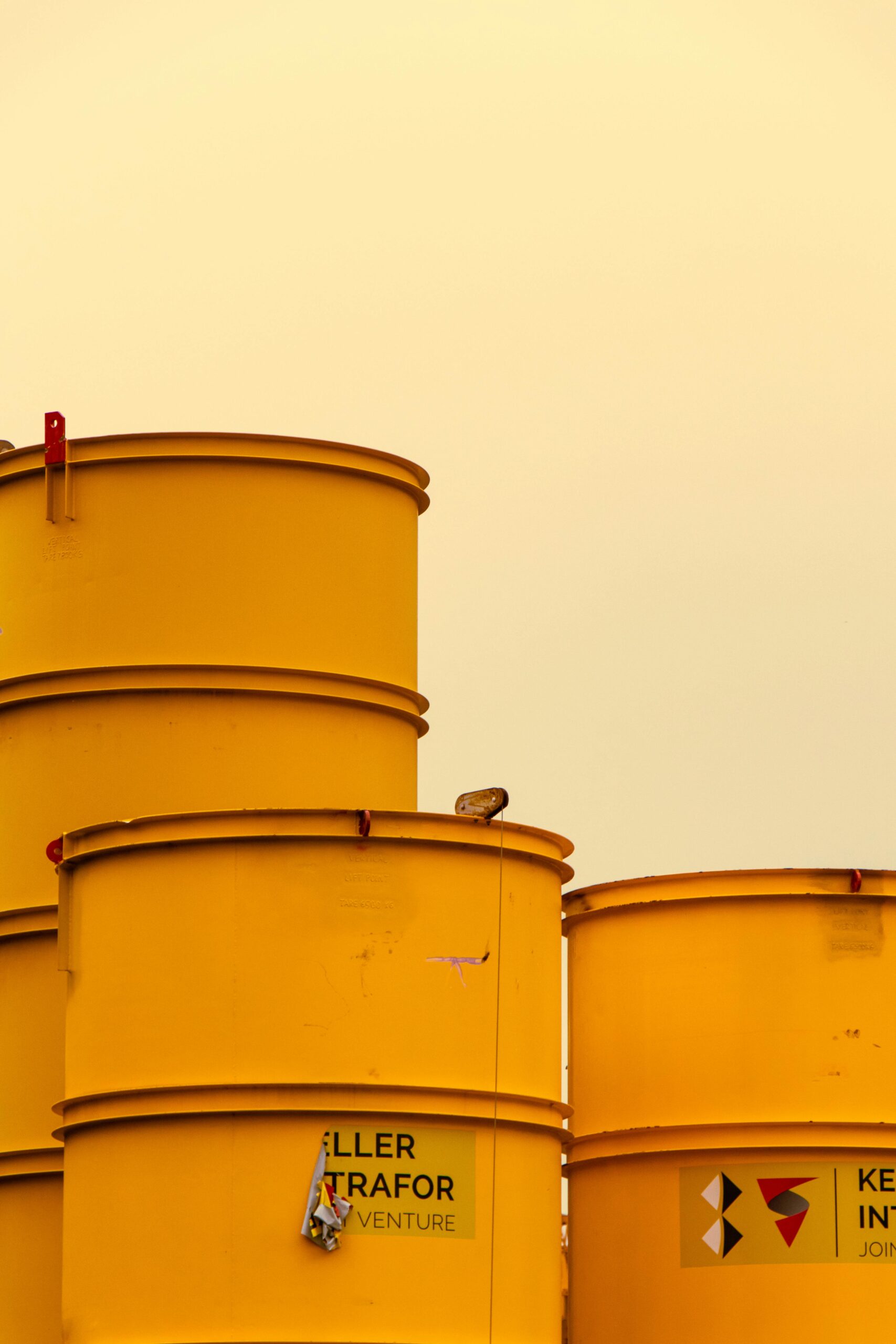
Whether you are upgrading a domestic heating system, securing backup generator diesel for a data center, or building an industrial transport depot, buying a bunded fuel tank is a major capital expenditure.
But you aren’t just buying a steel or plastic box—you are buying legal compliance. Because a “bunded” tank features secondary containment (a tank within a tank designed to hold 110% of the inner vessel’s capacity), it is the legally mandated standard under OFTEC guidelines (UK) and SPCC regulations (US) for virtually all commercial fuel storage.
In 2026, raw material fluctuations, the rise of HVO (Hydrotreated Vegetable Oil) fuels, and stricter environmental laws have shifted pricing. So, what should you actually expect to pay?
The Executive Summary: Quick 2026 Price Averages
If you need a fast benchmark for your budget, here is the current market average for a standard supply-only tank:
- Small Domestic / Backup (1,000L): $1,200 – $1,800
- Medium Agricultural / Commercial (2,500L): $2,200 – $3,000
- Large Commercial Fleet (10,000L): $5,500 – $9,000
- Heavy Industrial / Aviation (30,000L+): $15,000 – $35,000+
- Average Base Installation / Ground Prep: $1,500 – $3,500
Read on for the exact cost breakdowns by material, dispensing add-ons, and the hidden installation fees that generic suppliers won’t tell you about.
1. The 2026 Bunded Tank Price Matrix (By Capacity & Material)
The most significant factor driving the sticker price of a tank is volume. However, as capacity scales, the material of the tank heavily influences the price curve.
Polyethylene (plastic) tanks dominate the sub-10,000L market due to lower manufacturing and freight costs, while high-grade steel is required for massive capacities and maximum security.
Below is a detailed pricing baseline for standard, non-dispensing bunded tanks (storage only).
| Tank Capacity (Liters) | Target Application | Average Cost (Plastic/Poly) | Average Cost (Steel) |
| 500L – 1,000L | Domestic Heating / Small Generators | $1,000 – $1,600 | $1,800 – $2,500 |
| 1,200L – 2,500L | Small Farms / SME Commercial | $1,800 – $2,800 | $3,000 – $4,500 |
| 3,000L – 5,000L | Medium Fleet / Construction Logistics | $3,200 – $4,800 | $5,500 – $8,500 |
| 10,000L | Large Logistics / Haulage Depots | $6,500 – $8,000 | $10,000 – $14,000 |
| 15,000L – 20,000L | Heavy Industrial | $9,000 – $12,000 | $16,000 – $22,000 |
| 30,000L+ | Aviation / Mass Storage / Chemical | Not Recommended/Available | $25,000 – $45,000+ |
Note: The prices above reflect the bare storage tank. If you intend to pump fuel directly into vehicles, you are building a “Dispensing Station,” which carries additional hardware costs.
Why is Steel Always More Expensive?
When budgeting, many buyers lean immediately toward plastic to save 30% to 40%. However, steel carries a premium for three distinct reasons:
- Lifespan and Warranty: High-grade steel tanks (often painted with ISO 12944 compliant anti-corrosion coatings) can have a functional lifespan of 25–30 years, compared to the 10–15 year expectation for plastic exposed to heavy UV light.
- Security: Steel is virtually impenetrable to standard hand drills. In rural areas where diesel theft is rampant, the extra $2,000 spent on a steel tank is quickly recovered by preventing a single 2,000L fuel theft.
- Customization: Steel tanks can be custom-welded to fit awkward spaces (e.g., tight alleys or low-profile under-warehouse storage), whereas plastic tanks are bound to specific molded shapes.
2. Dispensing Equipment & Smart Upgrades (The Profit Multipliers)
If you are just storing heating oil, a simple gravity-fed hose might suffice. However, if you are running a commercial fleet, agriculture machinery, or heavy construction equipment, your tank needs to act as a fully functioning fuel station.
Upgrading a basic storage tank to a “Dispensing Tank” introduces additional hardware costs.
Essential Pumping Hardware
- Standard Electric Pumps (50L/min): Ideal for filling vans, small tractors, and generators. Expect to add $400 – $700 to the base price.
- High-Speed Commercial Pumps (70L to 100L+/min): Necessary for HGV fleets and large agricultural machinery where downtime costs money. These usually include auto-shutoff nozzles and heavy-duty 8-meter hoses. Adds $1,000 – $2,500.
- Cabinet Security: Dispensing equipment must be housed within a lockable, roller-shutter, or steel-door cabinet to prevent vandalism and weather damage. (Often included in premium dispensing tank models).
Telemetry and Fuel Management Systems (FMS)
Fuel theft and unknown leaks cost businesses millions every year. Modern environmental compliance and tight profit margins have made “Smart Tanks” the industry standard.
- Ultrasonic Tank Level Monitors: Instead of walking out to check a manual sight gauge, these IoT (Internet of Things) sensors sit inside the tank and send real-time fuel levels directly to your smartphone or desktop dashboard. They immediately alert you to sudden drops (indicating theft or a leak). Hardware costs $150 – $350, usually paired with a minor monthly data subscription ($10–$20/mo).
- Advanced Fuel Management Systems (FMS): If multiple drivers use the same tank, an FMS is critical. Drivers must scan an RFID fob or input a PIN before the pump activates. The software logs exactly who took how much fuel and when. A professional FMS setup adds $1,500 – $4,000+ to the project.
3. The “Hidden” Costs: Installation & Base Preparation
The biggest mistake buyers make is budgeting only for the tank and forgetting the site preparation. You cannot simply drop a 5,000L tank onto grass, gravel, or tarmac.
By law (under OFTEC regulations in the UK and SPCC rules in the US), a bunded tank must be fully supported by a fire-resistant, load-bearing base. If your base fails an inspection, your insurance is voided, and you risk severe environmental fines.
Base Preparation & Concrete
A compliant base must be concrete (at least 100mm thick), paving slabs laid on a compacted foundation, and must extend at least 300mm beyond the widest part of the tank on all sides.
- Estimated Cost: $800 – $2,500 depending on the necessary ground excavation and concrete volume.
Professional Installation & Pipework
A certified technician must connect the tank to your building or generators, ensure the dispensing cabinet is wired to a safe electrical grid, and pressure-test the system.
- Estimated Cost: $600 – $1,800 (Complex underground trenching for pipes will increase this significantly).
Decommissioning the Old Tank
If you are replacing an old, non-compliant single-skin tank, you cannot simply throw it in a skip. Residual fuel and sludge are classified as hazardous waste. A licensed contractor must pump out the old fuel, safely clean the tank, and issue a hazardous waste disposal certificate.
- Estimated Cost: $500 – $1,500 (depending on the amount of waste fuel that needs to be removed).
4. Financing Your Tank (Protecting Cash Flow)
When you combine a 10,000L steel tank ($12,000), a high-speed pump ($1,500), an FMS tracking system ($2,000), and full concrete groundworks ($3,000), a commercial installation easily becomes an $18,500+ project.
Because of this, over 70% of commercial buyers choose not to purchase tanks outright. Instead, they utilize Asset Finance or Leasing Agreements.
Leasing allows businesses to spread the cost over 3 to 5 years. For a predictable monthly operational expense, you get a fully compliant, brand-new tank installed immediately, often with maintenance and inspection software included in the package.
5. People Also Ask: Bunded Tank Regulations & Pricing FAQ
When budgeting for a fuel storage project, the legal requirements are just as important as the sticker price. Below are the most common regulatory and cost questions our experts receive.
What is the fine for not having a bunded oil tank?
If you fail to comply with oil storage regulations, you are committing a criminal offense. In the UK, non-compliance or a resulting pollution incident can result in a fine of up to £5,000 at a magistrates’ court, or up to £20,000 (and even unlimited fines) at a Crown court. In the US, the EPA can levy massive daily fines for SPCC violations. The cost of a bunded tank is always cheaper than an environmental fine and the subsequent cleanup costs.
Is it a legal requirement to have a bunded oil tank?
For commercial, industrial, and institutional premises, yes, it is strictly required by law to have secondary containment (a bunded tank) for fuel storage. For domestic properties, it is a legal requirement if your tank holds over 2,500 liters, is located within 10 meters of a watercourse, or is within 50 meters of a drinking water source.
How close can a bunded tank be to a boundary or building?
For fire safety reasons, tanks holding under 3,500 liters must be placed at least 760mm away from a non-fire-rated property boundary (like a wooden fence) and 1.8 meters away from a non-fire-rated building or eaves. If you cannot meet these distances due to space constraints, you must install a fire-resistant wall (minimum 30-minute fire rating) between the tank and the boundary.
How long does a bunded fuel tank last?
The lifespan of your tank depends on the material. A high-quality polyethylene (plastic) bunded tank will typically last 10 to 15 years before UV degradation becomes a risk. A premium steel bunded tank, assuming it is properly maintained and the paintwork is kept intact, can easily last 20 to 30 years.
6. Next Steps: Get the Best Price for Your Project
The prices listed in this guide are industry averages, but your exact cost will depend on your location, the complexity of your groundworks, and the specific dispensing hardware your fleet requires.
Because shipping a 5,000-liter steel tank across the country is incredibly expensive, the most cost-effective solution is almost always to source your tank and installation from a certified regional manufacturer.
Instead of spending hours calling multiple suppliers to check stock and compare prices, let us do the heavy lifting.
Ready to find the perfect tank for your facility? [Click Here to Use the Bunded.com Smart Quote Engine] (Enter your required size, fuel type, and zip code to instantly request competitive quotes from our network of certified manufacturers and installers).
Leave a Reply